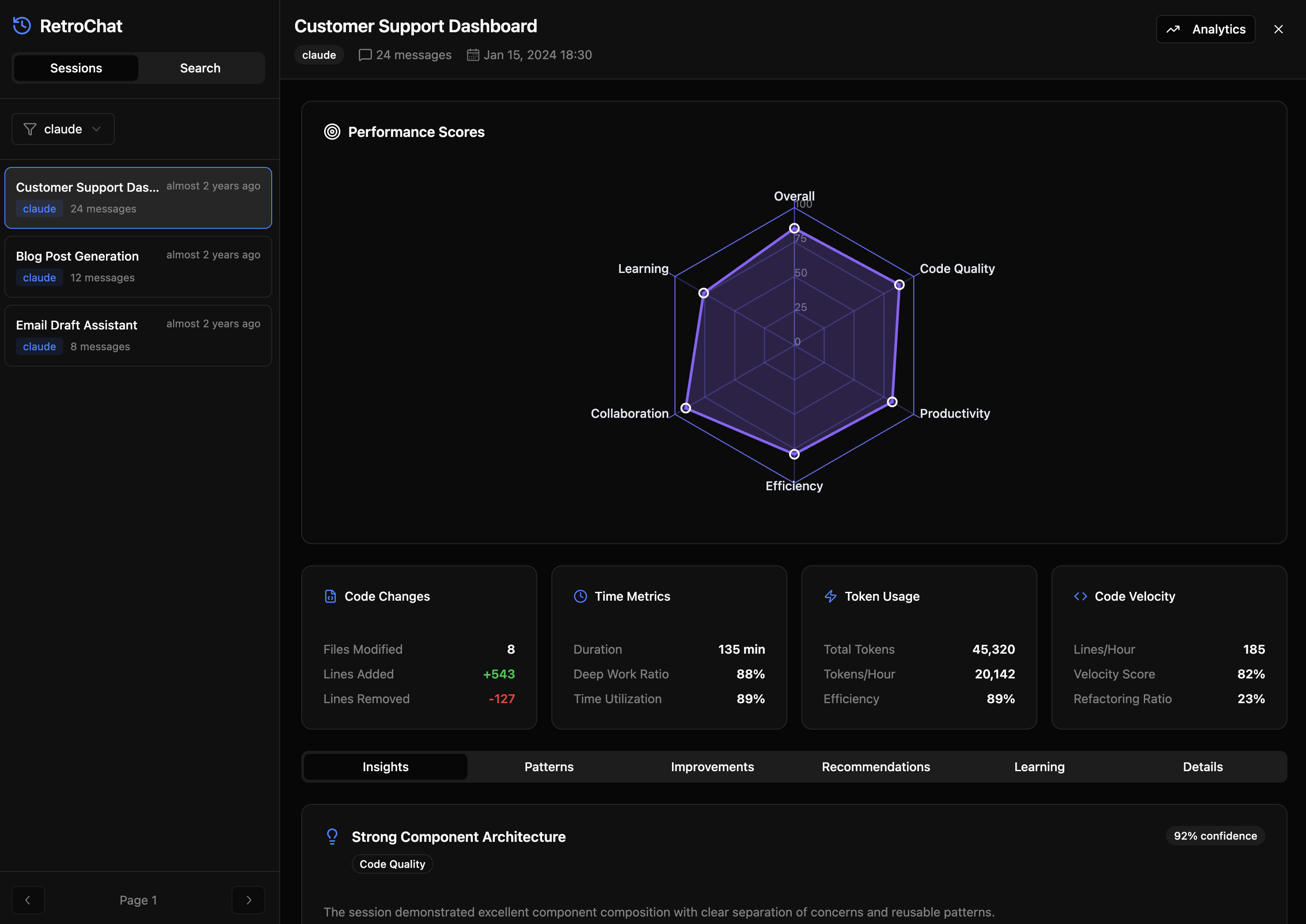
This project began with a proposal from Taekmin, but it quickly grew into a kind of shared laboratory where different ideas met and expanded. The initial starting point was straightforward: as CLI-based tools like Claude Code emerged, they opened up new, developer-friendly possibilities. The idea was to use Claude Code as a foundation, have each participant build something around a topic they were personally interested in, and come together for a weekly study group. But from the very first day, the conversation went far beyond that scope. Everyone brought their own experiences—how they use AI in their field, what kinds of workflows feel natural, and what kinds of tools they wish existed. The discussion kept branching and expanding in many directions.
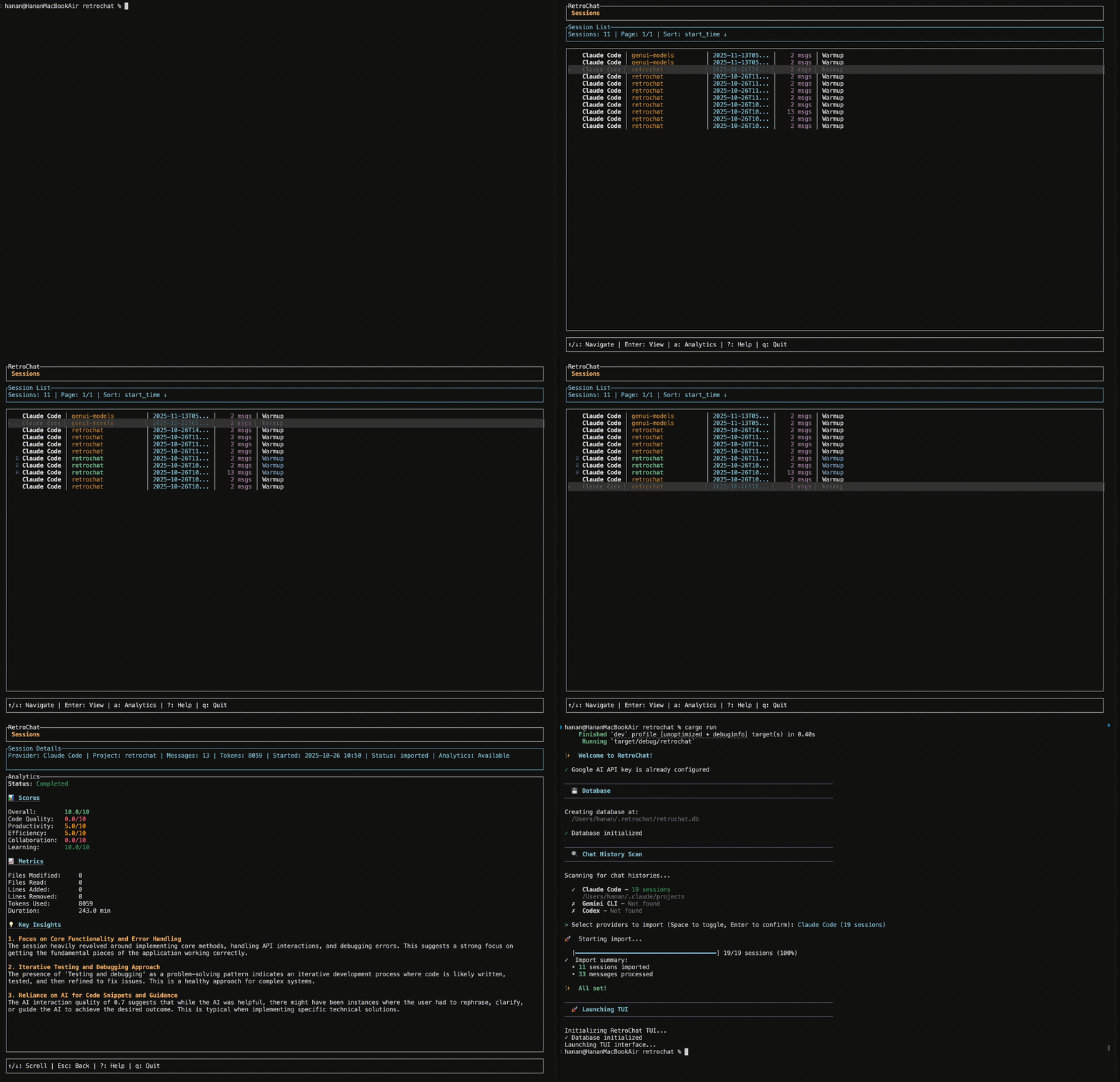
Before long, the gathering became less of a project and more like a small seminar. We began by exploring terminal-based UIs, building and experimenting with TUI interfaces. We also tried accessing Claude Code from the web—especially in mobile environments (one of the features we built was later released by Anthropic as Claude Code Web!). In addition, we experimented with analyzing conversation logs to understand how efficiently work was being done and what patterns emerged over time. Ideas naturally layered on top of one another, and the project evolved through the group’s shared curiosity.
Within this space, I personally began to explore one central question: “What if we could version-control our thinking?”
When we work with AI—writing code, designing systems, or exploring ideas—our thoughts constantly branch, converge, and gradually take shape. Yet these layers of reasoning usually dissipate, leaving only scattered and temporary traces.
What if we could preserve these layers of thought the way we preserve code with Git? What if conversations with AI, attempts and failures, decisions and their rationales could all be stored as a reusable history of thought? If we could retrieve past thinking and apply it to new projects, we might unlock an entirely new kind of development experience.
The group continues to evolve. It is part tool-building effort, part knowledge-sharing community, and part open-ended exploration. Together, we are experimenting with what it means to work, think, and create alongside AI.